A serpentine belt squeal right after startup can be brief enough to ignore. You start the engine, hear a sharp squeak for a second or two, and then everything becomes quiet. Other times, the noise lasts longer on cold mornings, when the A/C is turned on, or after the vehicle has been sitting overnight.
That sound usually means the belt is slipping or one of the components it drives is creating more resistance than it should. The belt itself may be worn, but tensioners, pulleys, fluid leaks, and accessories can all create the same kind of startup noise.
A Worn Belt Can Lose Its Grip
The serpentine belt has to maintain enough friction against several pulleys while the engine is running. As the rubber ages, it can harden, glaze, crack, or wear down until it no longer grips the pulley surfaces as well as it once did.
Startup can expose that weakness because the belt suddenly has to accelerate several accessories from a complete stop. If the alternator is charging a low battery or the A/C compressor engages, the load can increase even more.
At our shop, we look at the belt surface and ribs instead of judging it only by visible cracks. Some newer belt materials can wear significantly without developing the obvious cracking people expect from older belts.
The Belt Tensioner May Be Getting Weak
A spring-loaded tensioner keeps the proper amount of force on the serpentine belt. If that spring weakens or the tensioner begins sticking, the belt may not stay tight enough when engine speed changes suddenly.
The first few seconds after startup can bring out the problem. The belt slips, squeals, and then becomes quiet once everything is spinning at a steady speed.
We also watch the tensioner while the engine is running. Excessive bouncing, unusual movement, or a tensioner arm that sits outside its normal range can point toward a problem. Simply installing a new belt on a weak tensioner may leave you with the same noise.
A Pulley Bearing Can Create Extra Drag
The belt runs across several pulleys, and each one needs to rotate freely. Idler pulleys, tensioner pulleys, alternators, water pumps, and A/C compressors all contain bearings or internal components that can begin wearing.
A bearing that is starting to seize can put extra resistance on the belt when the engine starts. Sometimes the result is squealing. Other times, you hear chirping, grinding, or a rough mechanical sound.
Some warning signs we look for include:
- A pulley that feels rough when turned
- Side-to-side movement at the pulley
- A squeal that changes with engine speed
- Grinding or rumbling near the belt drive
- A pulley that does not run straight
- Visible belt dust around one component
Finding the source matters because replacing the belt alone won't fix a pulley that is dragging.
Fluid on the Belt Can Make It Slip
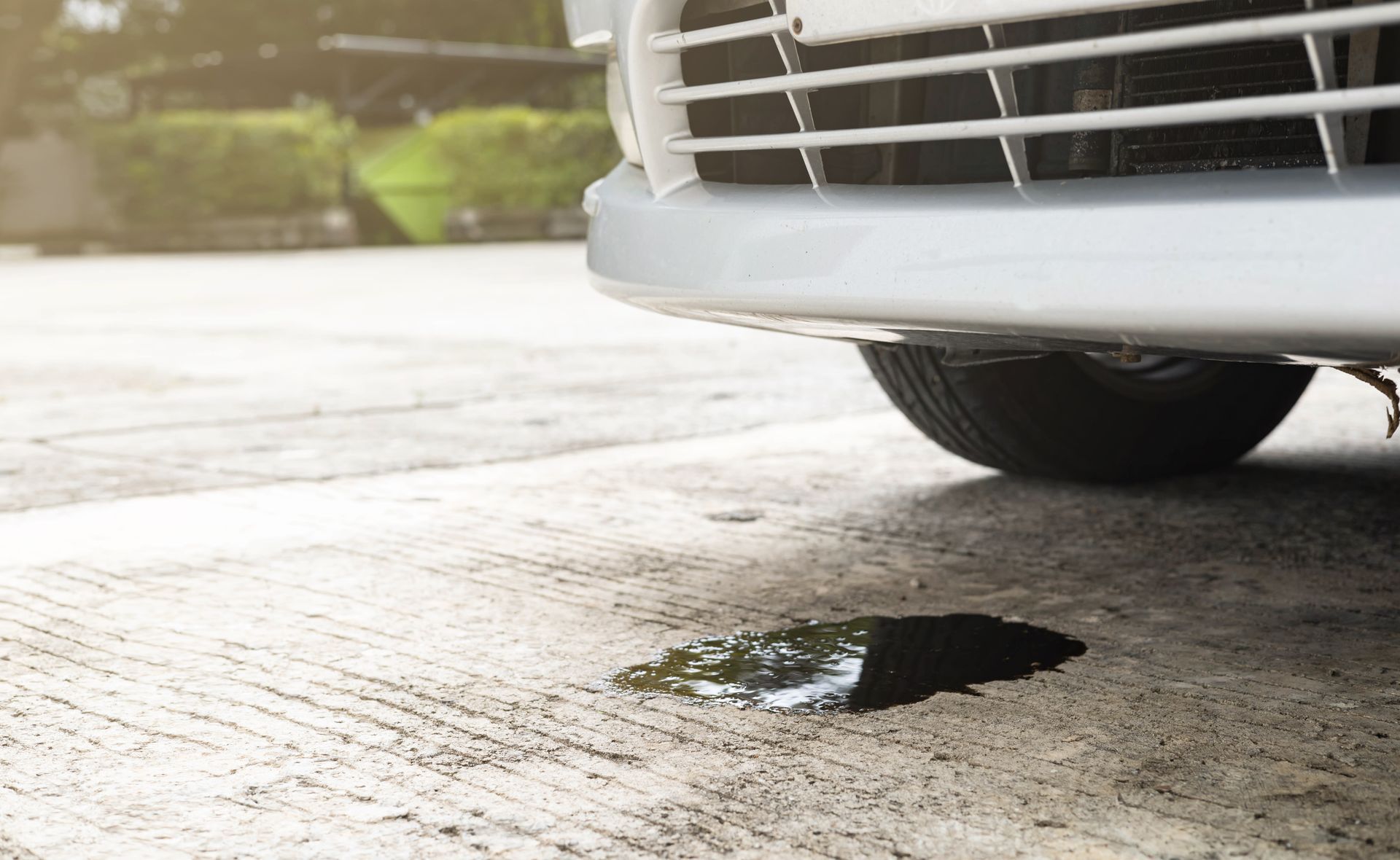
A serpentine belt is designed to run dry. Engine oil, coolant, power steering fluid, or another fluid leaking onto the belt can reduce its grip and create a sharp squeal.
The noise may be strongest after startup because fluid collected on the belt while the vehicle was parked. Once the belt spins for a while, the sound may fade even though the leak is still there.
During an inspection, we look above and around the belt for the source. A leaking valve cover, coolant hose, water pump, or power steering component can contaminate the belt. Installing a fresh belt without repairing the leak can quickly ruin the replacement.
A Weak Battery Can Increase Alternator Load
The alternator is one of the components driven by the serpentine belt. After the engine starts, the alternator begins replacing the electrical energy the battery used during cranking.
If the battery is weak or discharged, the alternator may have to work harder immediately after startup. That increased load can expose a marginal belt or weak tensioner that stays quiet under lighter conditions.
We may test the battery and charging system when the squeal consistently appears right after starting. If the belt drive looks questionable and the battery is also weak, correcting both issues can be important. Otherwise, the new belt may still be asked to handle more startup load than expected.
Cold or Damp Weather Can Make the Noise More Noticeable
Some belt noises appear mainly on cold or damp mornings. Rubber becomes less flexible when temperatures drop, and moisture can temporarily reduce friction between the belt and pulleys.
A very brief noise under those conditions does not automatically mean something is about to fail. What gets our attention is when the squeal becomes longer, louder, or starts happening even in warm, dry weather.
Regular maintenance gives us a chance to check belt condition, pulley alignment, tensioner movement, and nearby leaks before the noise becomes constant. If the belt is frayed, contaminated, or visibly damaged, waiting for it to break is not a good strategy.
Get Serpentine Belt Service In Baltimore, MD, With VJ Auto Sales & Service
If your serpentine belt squeals when you start the car, VJ Auto Sales & Service in Baltimore, MD, can check the belt, tensioner, pulleys, charging system, and nearby fluid leaks to find the cause of the slip.