Oil leaks can feel unpredictable once temperatures drop. A spot that barely showed up in warmer months can turn into a steady drip, and the source is not always obvious from where the oil lands. Cold weather changes how seals behave, how oil flows, and how pressure builds inside the engine.
If you have been noticing new spots lately, there is a reason it happens this time of year.
Oil Thickens And Moves Differently When Cold
When oil is cold, it flows more slowly, especially during the first few minutes after startup. That delay means certain areas may not get the same quick oil film they normally do, and the engine can see brief spikes in pressure as the pump pushes thicker oil through narrow passages. Those pressure changes can expose weak seals that were only barely holding.
Once the engine warms up, the oil thins back out and may leak faster through the same opening. That is why some leaks drip more after a drive, while others show up mostly when the vehicle sits overnight. The pattern can be confusing, but it is a helpful clue when you are trying to track the real source.
Seals Shrink, Harden, And Lose Flexibility
Rubber and silicone seals are designed to stay flexible across a temperature range, but age changes that. In colder air, older seals can shrink slightly and become stiffer, reducing their ability to conform to the metal surfaces they seal. Even a tiny gap can let oil seep through, then spread across the engine before it finally drips.
Cold weather also makes brittle seals more likely to crack at corners or along gasket edges. Valve cover gaskets, oil filter housing seals, and small O-rings are common examples because they deal with both heat cycling and oil exposure year-round. We often see leaks that were previously just a damp seam become a visible drip once temperatures stay low for a few weeks.
Short Trips And Moisture Can Raise Crankcase Pressure
Cold weather usually means more short trips, and short trips do not fully burn off moisture and fuel vapors inside the crankcase. That moisture mixes with blow-by gases, and it can create a thicker residue in the PCV system, which is the engine’s ventilation path. When the ventilation slows down, crankcase pressure can rise and push oil out through the weakest seal.
This is one reason oil leaks sometimes show up alongside new oil staining near the top of the engine or around breather hoses. It can also contribute to sludge formation over time, which makes oil return passages slower. Regular maintenance helps here because fresh oil and a healthy ventilation system give the engine a better chance of staying clean and stable through winter driving.
Leak Spots That Commonly Show Up In Winter
Some leak points are simply more likely to show themselves when seals shrink and pressure changes. Valve cover gaskets are high on the engine and can create trails that run down the block, making the leak look worse than it is. Oil pan gaskets and drain plug sealing washers can also seep more when metal contracts and the sealing surfaces are less forgiving.
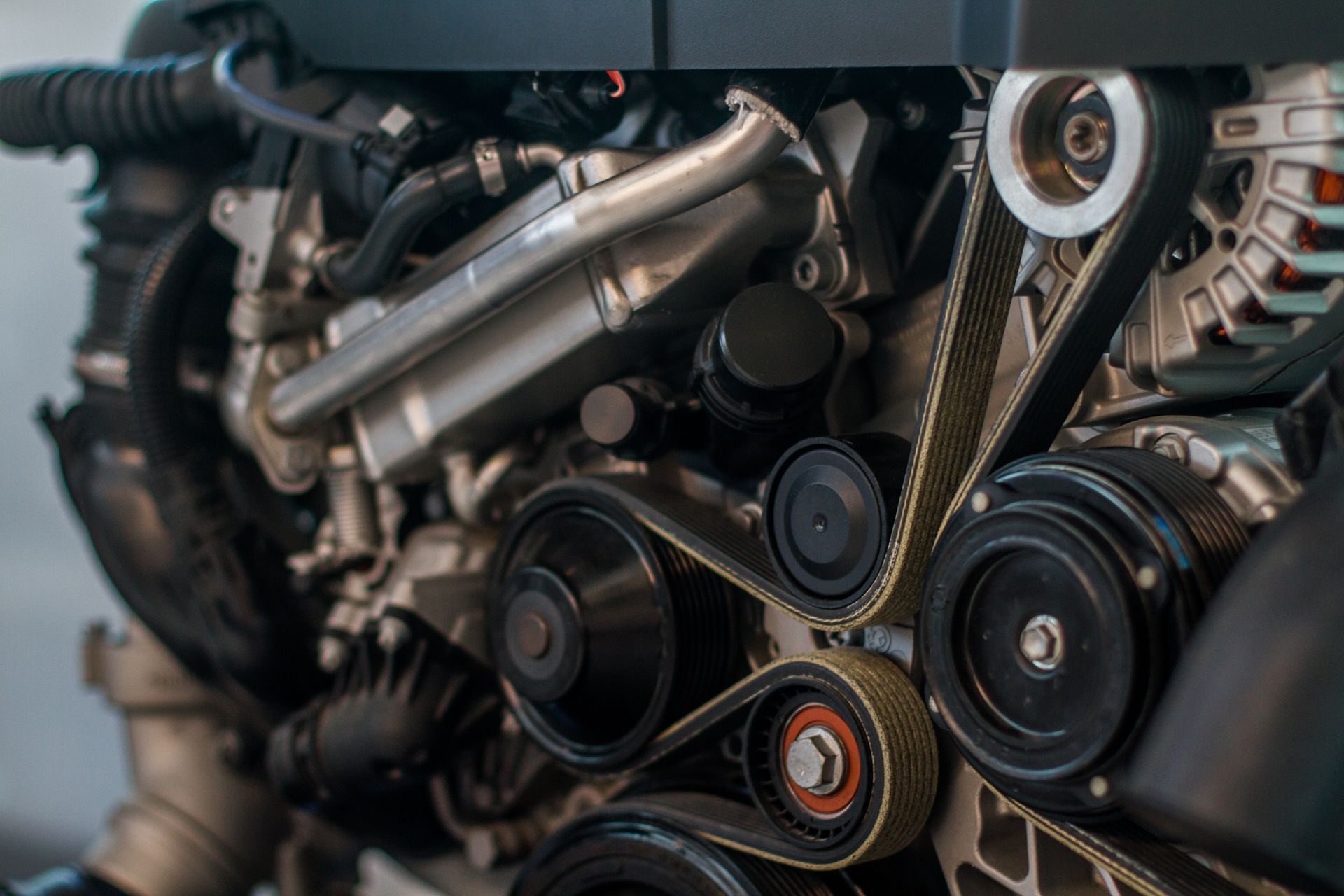
Oil filter housings, cooler adapters, and the seals around those assemblies can leak under pressure and leave oil running down the front or side of the engine. Front crank seals may sling oil onto the pulleys, while rear main seal leaks often appear near the seam between the engine and transmission. If your engine is turbocharged, the turbo oil feed and return connections are worth checking too, since they see heat cycling and can seep once sealing washers get tired.
Cold-Weather Triggers That Make Leaks More Obvious
Cold weather does not create an oil leak out of nowhere, but it can make a borderline leak easier to notice. The vehicle also sees different use patterns in winter, and those patterns matter. A few common triggers we look for include:
- Thicker oil at startup that raises pressure briefly
- Longer idle time warming up in the driveway
- More short trips that leave moisture in the crankcase
- Rapid temperature swings from the warm engine to cold air
- Road splash that spreads oil across shields and panels
The tricky part is that road spray can smear a small leak into a bigger mess, so the drip point is not always the source. That is why cleaning the area and rechecking after a drive is often the fastest way to get a clear answer. A proper inspection also looks for airflow patterns under the vehicle, since oil can travel rearward and drip far from where it started.
What To Do When You Notice A Winter Oil Leak
Start with the basics and avoid assumptions. Check the oil level on level ground when the engine is off, and keep it in the safe range while you figure out the cause. If a red oil pressure warning appears on the dashboard, shut the engine off and do not keep driving until the level and pressure situation are verified.
Next, look for patterns that help narrow it down, such as whether the leak is worse after driving or only after sitting. Cleaning off old oil residue can make the next leak traceable, saving time and preventing the wrong seal from being replaced. If the leak is active, getting it checked sooner usually costs less than waiting, because low oil and contaminated oil can add wear that becomes a separate problem.
Get Oil Leak Repair In Baltimore, Maryland With VJ Auto Sales & Service
If you are seeing new oil spots in cold weather, VJ, Auto Sales & Service can pinpoint the source and recommend a repair that fits what your vehicle actually needs.
Book a visit when you are ready, and we will help you stop the leak before it turns into a bigger headache.