Suspension repair and wheel alignment get lumped together all the time, and it’s easy to see why. Both can affect steering feel, tire wear, and how the car tracks down the road. The confusing part is that an alignment can fix the angles, but it cannot fix worn parts that let those angles move.
So what’s the difference? Suspension repair is fixing the parts that hold the wheels and control motion. Alignment is adjusting the wheel angles after the hardware is solid.
Once you separate those roles, the decision gets much clearer.
What Alignment Actually Adjusts
Alignment is a set of measurements and adjustments, mainly toe, camber, and sometimes caster. Toe is how much the tires point inward or outward. Camber is the inward or outward tilt of the wheels. Caster affects straight-line stability and steering return.
When those angles are off, tires scrub the road instead of rolling cleanly. That is how you get inside-edge wear, feathering, and a steering wheel that sits slightly crooked. A professional alignment corrects those angles so the tires wear evenly and the car tracks straight.
Alignment is about positioning, not replacing parts.
What Suspension Repair Covers
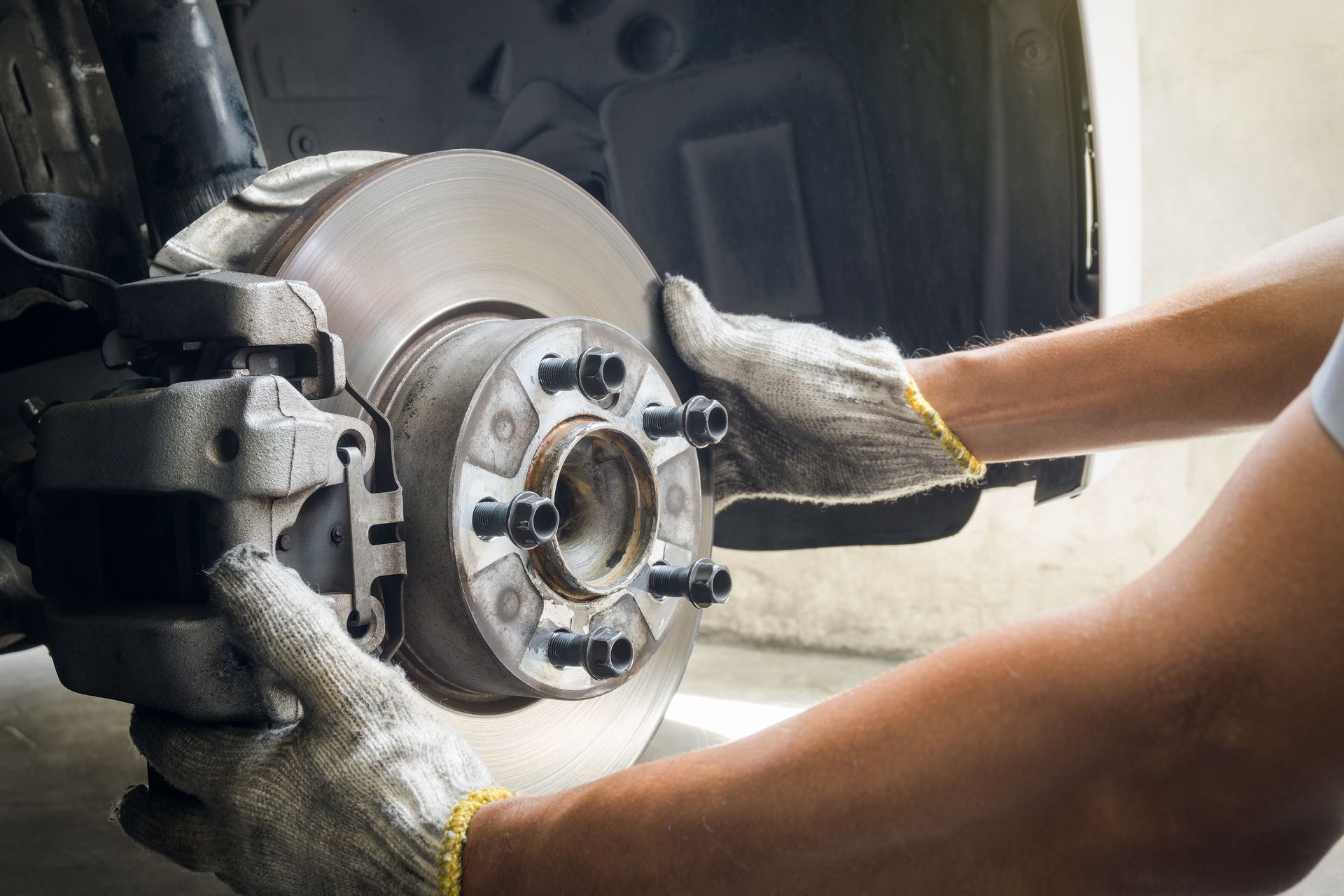
Suspension repair means replacing or repairing worn components that support the vehicle and keep the wheels stable. That includes control arms, bushings, ball joints, tie rods, wheel bearings, shocks or struts, sway bar links, and mounts. If any of these are loose, damaged, or worn enough to move under load, the vehicle will not hold alignment consistently.
Suspension parts also control how the vehicle responds to bumps and turns. When they wear, you can get clunks, bouncing, extra body lean, and vague steering. Even if the alignment numbers look okay in a quick check, the vehicle can still feel unstable if parts are tired.
A worn part can make the car feel off, even with a fresh alignment.
How To Tell Which One You Might Need
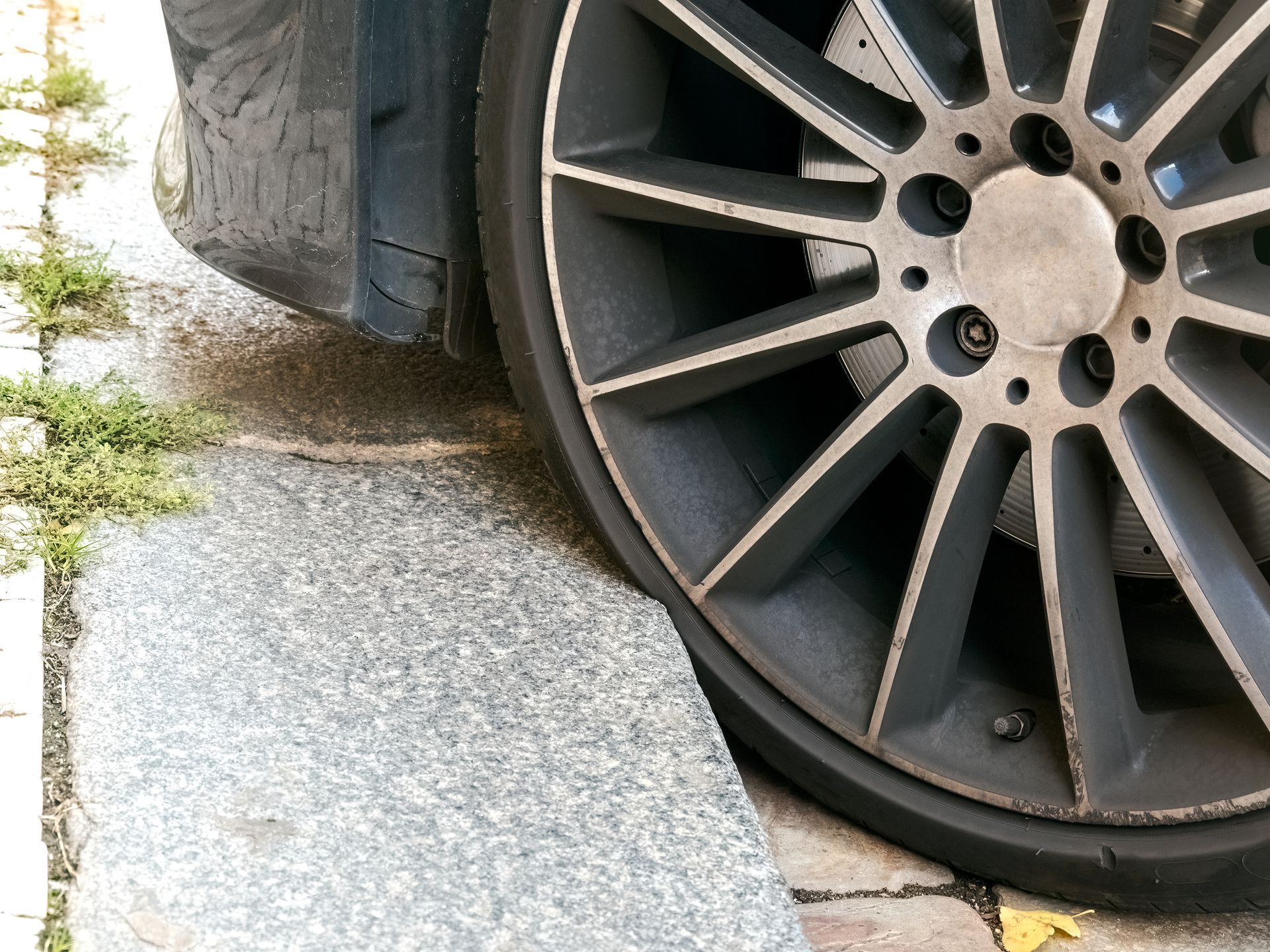
If your vehicle drives straight, has no clunks, and the main issue is uneven tire wear or a crooked steering wheel, alignment is often a strong first suspect. If you recently hit a pothole or tapped a curb and the pull started afterward, alignment drift is also common.
If you hear noises over bumps, feel looseness in the steering, or notice a bouncy or floaty ride, suspension wear is more likely. Cupped tires are another big clue, since that pattern often points to weak shocks/struts or looseness that makes the tire bounce.
It can be either, but the symptoms usually lean in one direction.
Why Alignments Sometimes Do Not “Hold”
This is where drivers get frustrated. They pay for an alignment, the car feels better for a short time, and then the pull or tire wear comes back. That is often because something is moving that should not be moving.
Worn tie rods can let toe drift. Soft control arm bushings can allow the wheel to shift under braking. A worn ball joint can change camber as the vehicle loads and unloads. The alignment was set correctly in the bay, but the angles change on the road.
If alignment keeps drifting, the fix is usually repairing the foundation.
A Mini-Guide For Common Scenarios
A simple decision guide can help you avoid spending money in the wrong order.
- If you have a pull and no noise, check tire pressure first, then consider alignment.
- If you have a pull that changes when you rotate tires, suspect a tire issue before alignment.
- If you have clunks over bumps or looseness in the wheel, suspect suspension wear.
- If you have uneven tire wear that returns quickly, suspect worn parts letting angles move.
- If you replaced suspension parts, plan on alignment afterward to protect tire life.
In most cases, checking for looseness first keeps the process efficient.
Cost-Smart Planning: Fix What Moves First, Then Set The Angles
The most cost-smart order is usually the same. Repair worn suspension and steering parts first, then align the vehicle. That way the alignment is set on solid hardware and stays where it belongs.
If you do it backward, you can end up paying twice. The alignment might be perfect for a moment, but worn parts will keep changing the angles and you will be back in the same place.
When the foundation is tight, alignment becomes a long-term improvement, not a temporary patch.
Get Suspension Repair And Alignment in Baltimore, Maryland with VJ Auto Sales & Service
We can inspect the suspension and steering for looseness, explain what needs repair first, and then set the alignment so your vehicle tracks straight and wears tires evenly. We’ll also help you prioritize what’s urgent and what may be reasonable to plan for soon.
Call or schedule an appointment today.