Potholes and curbs can make a car feel different in one second. You hit a sharp edge, hear a hard thump, and keep driving because nothing seems broken right away. The steering wheel is still in your hands, the tire is still holding air, and the car moves forward.
That does not always mean the suspension came through unharmed. Shocks, struts, control arms, bushings, tires, wheels, and alignment parts all absorb force when the vehicle hits something hard. Some damage is obvious right away. Some show up later as tire wear, clunking, pulling, or a rougher ride than before.
Potholes Hit The Suspension With Sharp Force
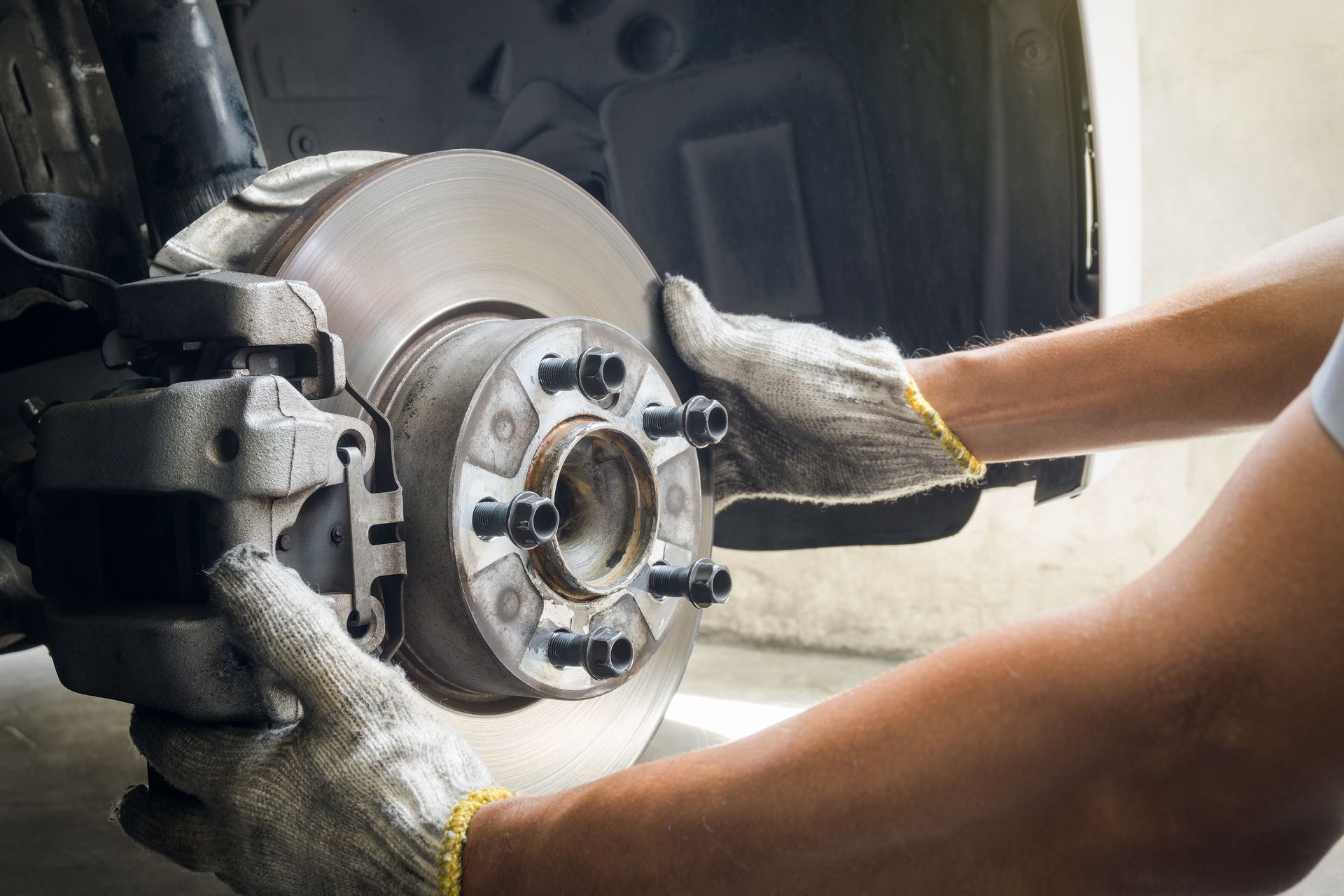
A pothole is rough because the tire drops into the hole and then strikes the far edge as it climbs out. That impact sends force through the tire, wheel, hub, bearing, strut, control arm, and steering parts. The sharper the edge, the harder the hit.
Speed makes it worse. So does low tire pressure, worn shocks, heavy cargo, or a pothole hidden by rain. Even one solid hit can bend a wheel, damage a tire belt, knock alignment out of position, or stress suspension parts that were already worn.
Curbs Can Shift Parts Sideways
Curbs create a different kind of damage because the impact often comes from the side. If a wheel hits a curb during parking, sliding, or a tight turn, the force can push sideways into parts that are meant to move in a controlled path.
That can bend a control arm, damage a tie rod, shift alignment, scrape a wheel, or weaken a tire sidewall. The car may still drive, but the steering wheel might sit off-center, or the vehicle may pull. Side impacts are especially rough because suspension parts are not designed to withstand hard, frequent sideways hits.
Shocks And Struts Take A Beating
Shocks and struts help control how the vehicle reacts to bumps. They keep the tires planted and prevent the body from bouncing too much. When you hit a pothole, those parts have to react quickly to a sudden drop and sharp impact.
A worn shock or strut can leak, bend, lose dampening ability, or make noise after repeated hard hits. The ride may start to feel bouncy, loose, or harsh. You may also notice the front end dipping more during braking or the vehicle rocking more after bumps. Those changes can creep in slowly after a few rough impacts.
Control Arms Keep The Wheels In Position
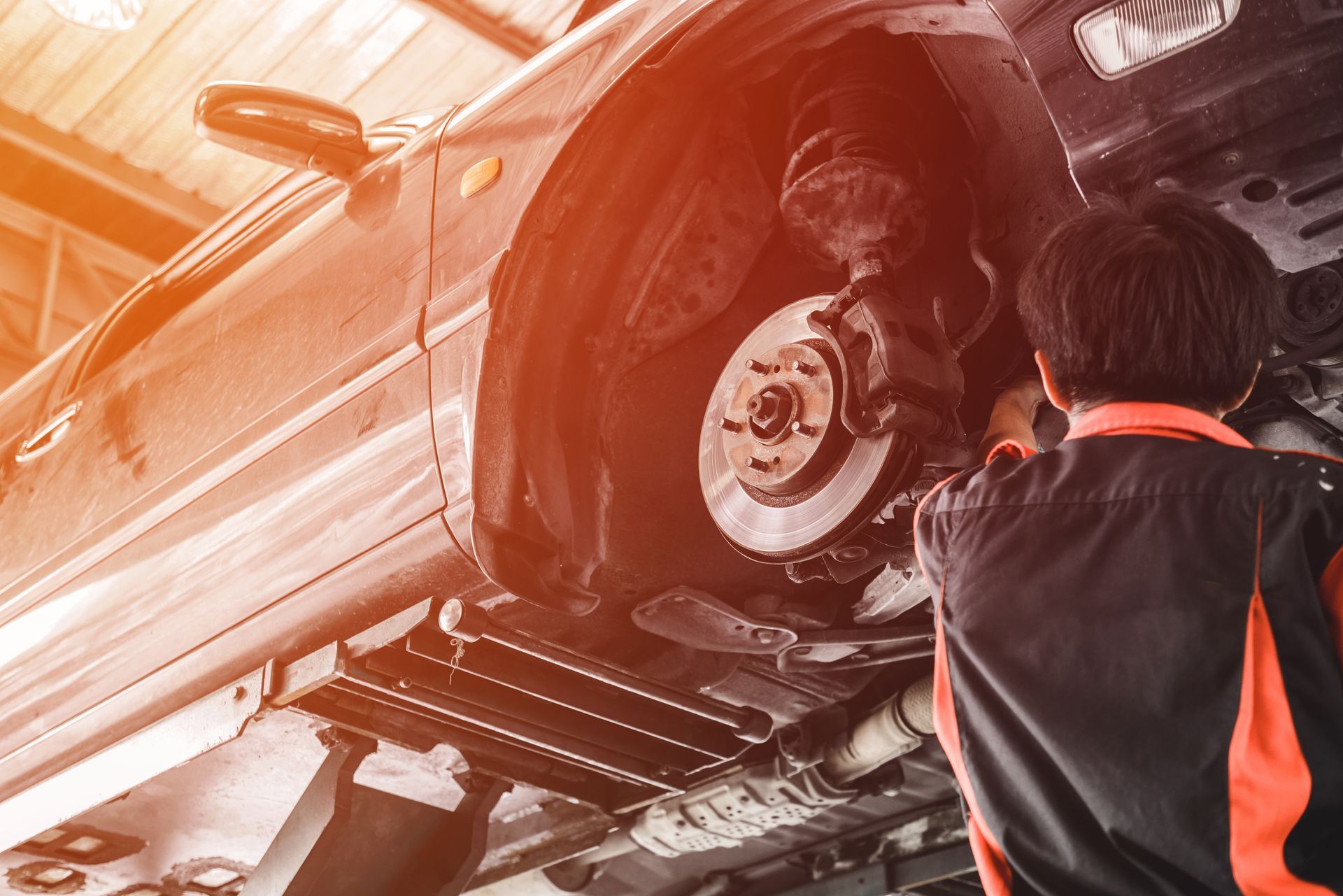
Control arms help hold the wheels in the correct position as the suspension moves. They are strong, but they still have limits. A hard pothole or curb hit can bend a control arm or damage the bushings connected to it.
When a control arm or bushing is damaged, the wheel may not sit where it should. That can affect alignment, tire wear, steering feel, and braking stability. A slight bend can be hard to spot without a proper inspection, but the tires and steering may start to give clues.
Bushings Can Tear Or Shift
Bushings are rubber or rubber-like parts that cushion movement between metal suspension pieces. They help reduce noise, vibration, and harshness while still allowing controlled motion. A hard hit can tear, crack, or separate a bushing.
When bushings wear or shift, the car can feel loose over bumps. It may clunk during turns, pull during braking, or feel less steady at highway speeds. Since bushings hide inside control arms, sway bars, and mounts, the damage is not always visible at a glance under the car.
Alignment Problems Can Show Up Later
After a pothole or curb hit, the alignment can change even if no part looks broken. Alignment angles control how the tires meet the road. If those angles move out of range, the vehicle can pull, drift, wander, or wear tires unevenly.
The steering wheel may sit crooked when driving straight. One tire may start wearing on the inner or outer edge. The vehicle may feel nervous at highway speeds. Regular maintenance helps catch alignment and tire wear issues early, especially after a season of rough roads or repeated impacts.
Tires And Wheels Often Tell The Story
The tire and wheel take the first hit before the suspension absorbs the rest. A pothole can bubble a tire sidewall, bend a rim, break a belt inside the tire, or cause a slow air leak. A curb can scrape the wheel and damage the sidewall where the tire is weakest.
A damaged tire may vibrate, lose air, or appear slightly misshapen. A bent wheel can cause shaking at certain speeds. If the vibration starts after a hard hit, do not assume it is only a balance issue. The tire, wheel, bearing, suspension, and steering should all be checked together.
Get Suspension Repair In Baltimore, MD, With VJ Auto Sales & Service
If your vehicle pulls, clunks, shakes, rides rough, or wears tires unevenly after a pothole or curb hit, VJ Auto Sales & Service in Baltimore, MD, can check the shocks, struts, control arms, bushings, alignment, tires, and wheels.