If you have bought a vehicle in the last several years, you have undoubtedly noticed that curious silence when you come to a complete stop. You press the brake at a red light, and suddenly the tachometer drops to zero. The radio stays on, the fans keep blowing, but the engine has effectively gone to sleep.
This is auto start-stop technology, and while it was designed with the best of intentions, it remains one of the most debated features in our shop. Customers ask us all the time if this constant cycling is actually killing their cars. They worry that the fuel savings might be outweighed by a massive repair bill down the line.
From our perspective on the shop floor, the answer is not a simple yes or no. This technology is a feat of engineering, but like any mechanical system, it comes with a set of trade-offs. We want to help you understand what is happening under your hood every time that engine cuts out and whether you should be embracing the silence or reaching for the override button.
The Engineering Behind Auto Start-Stop Technology
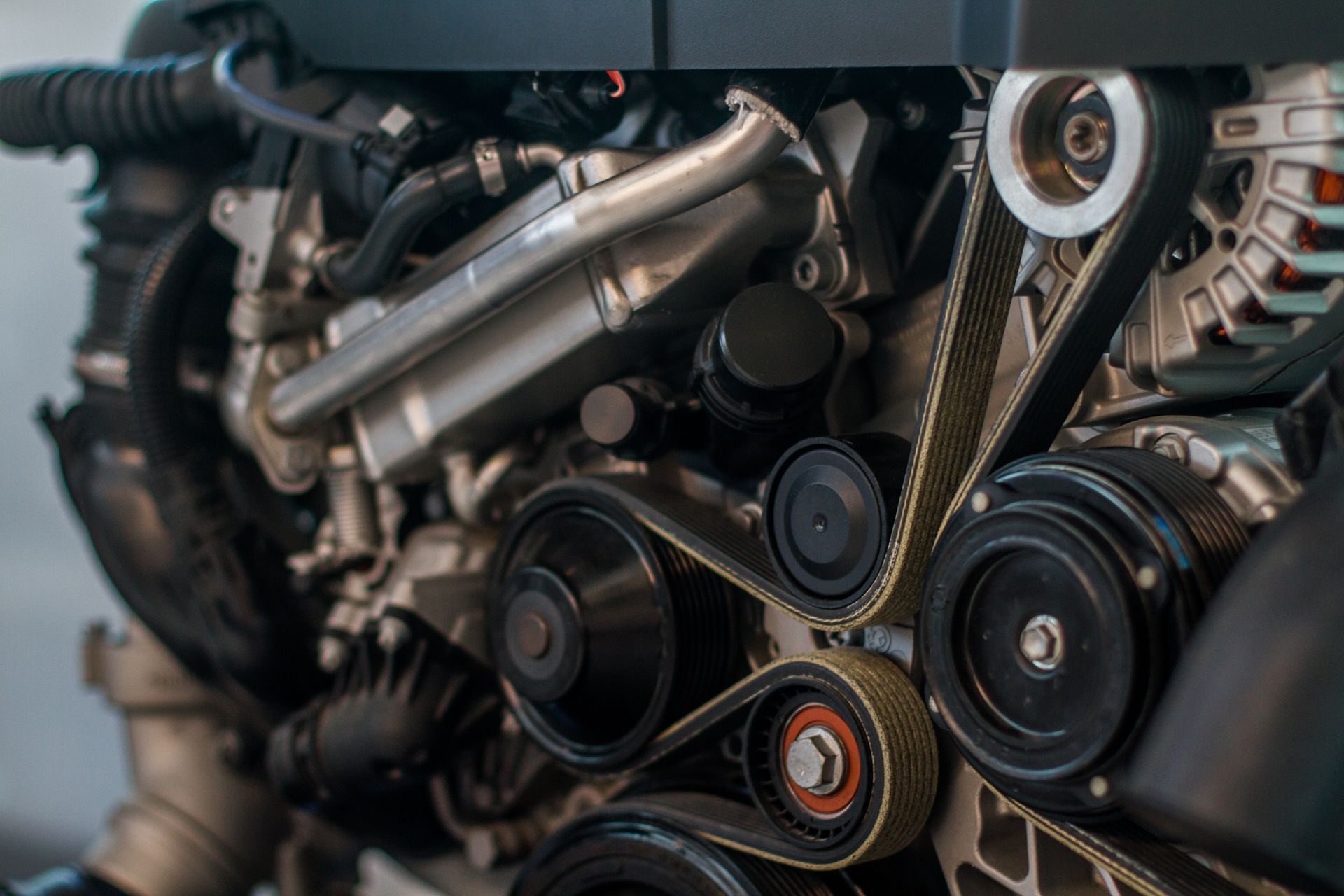
It is a common misconception that start-stop cars use the exact same parts as older vehicles. If you tried to do this with a car from the nineties, you would burn out the starter in a week. Manufacturers have had to rethink several key components to ensure the car can handle starting thousands of extra times over its lifespan.
Reinforced Starter Motors: The starters in these vehicles are much beefier than traditional ones. They often use high-performance bearings and stronger gear sets to handle the frequent engagement without grinding themselves to pieces.
Advanced Battery Tech: You cannot just toss a standard lead-acid battery into a start-stop car. These vehicles require AGM or EFB batteries that can handle deep discharges and rapid recharging. They are designed to keep your lights and AC running while the engine is off and still have enough juice to crank the motor a second later.
Electric Water Pumps: In many older cars, the water pump stopped when the engine stopped. Modern systems often use electric pumps to keep coolant moving through the engine block even during a stop, preventing hot spots from forming while you wait for the light to turn green.
The Potential Downsides We See
While the parts are stronger, we still see some issues that make us wonder if the system is truly a net positive for every driver. The biggest concern for any mechanic is lubrication. Most engine wear occurs during the first few seconds of a start before the oil pump has built up full pressure. While modern oils are fantastic, restarting your engine fifty times on a crosstown commute is still a lot of activity for those metal surfaces.
We also have to consider the cost of maintenance. When that high-tech battery eventually fails, it usually costs two or three times as much as a conventional battery. Furthermore, the car often needs to be programmed to recognize the new battery, which means a trip to the shop rather than a quick swap in your driveway. If you save fifty dollars a year in gas but spend an extra four hundred dollars on a battery every few years, the math starts to look a bit shaky.
The Comfort Factor
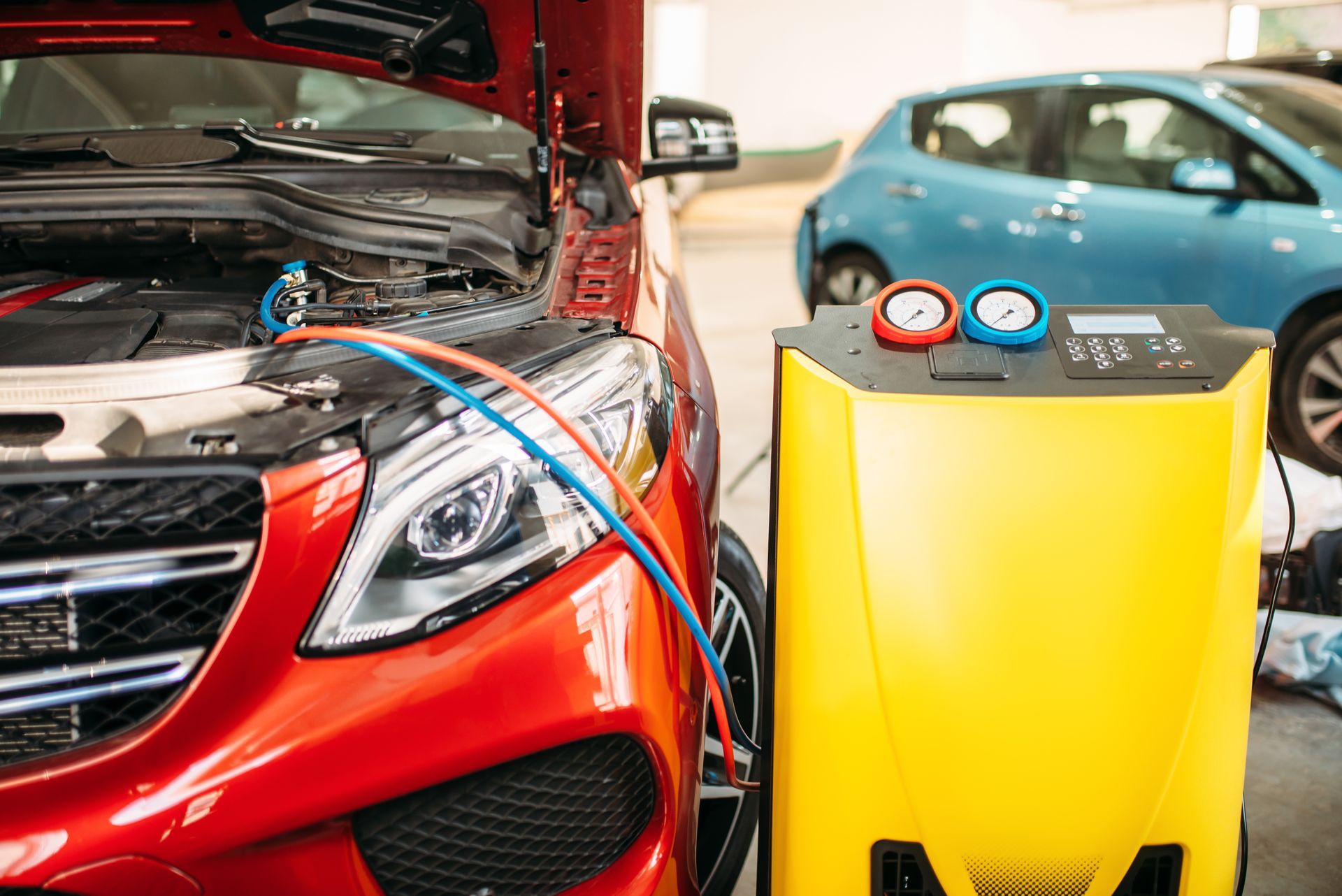
Beyond the mechanical parts, there is the simple reality of the driving experience. On a scorching Virginia afternoon, the air conditioning often struggles when the engine is off. The compressor is usually driven by a belt on the engine, so when the motor stops, the air coming out of the vents starts to get humid and warm. For many of our customers, the frustration of being uncomfortable in their own car is enough to make them hate the feature entirely.
There is also the vibration. No matter how smooth the car is, you still feel that slight shudder when the engine fires back up. In heavy stop-and-go traffic, that constant movement can be tiring. It can also lead to faster wear on engine mounts, which are the rubber blocks that keep the engine's vibrations from reaching the cabin.
How to Manage the System
If you find the system annoying or you are worried about the long-term health of your starter, remember that almost every car has a way to turn it off. It is usually a button on the dash or a setting in the infotainment screen. We often tell our customers that if they are stuck in a situation where the car is cycling every ten feet, it is perfectly fine to disable the feature for that trip. It saves the hardware from unnecessary stress during extreme congestion.
You should also be very strict about your oil change intervals. Since the engine is working harder in many ways, you want the freshest, highest-quality synthetic oil possible to protect those bearings during every restart.
Let Us Keep Your Engine Healthy
At VJ Auto Sales & Service, we have the specialized equipment to test your advanced batteries and ensure your charging system is up to the task of all those restarts. We can also help you understand the specific quirks of your vehicle's system. We invite you to our shop in Baltimore, Maryland for a full electrical and mechanical health check.
We are here to make sure your car is ready for the road, no matter how many times it has to start and stop.