Brake problems do not always begin with a big warning. Sometimes the first sign is a squeal at a stoplight. Sometimes the pedal feels a little softer than it did last month. Other times, the car still stops, but something about the way it slows down feels less clean and less reassuring.
That change in sound or feel is usually the brake system asking for attention before the problem gets more expensive.
Why Brake Problems Show Up In Different Ways
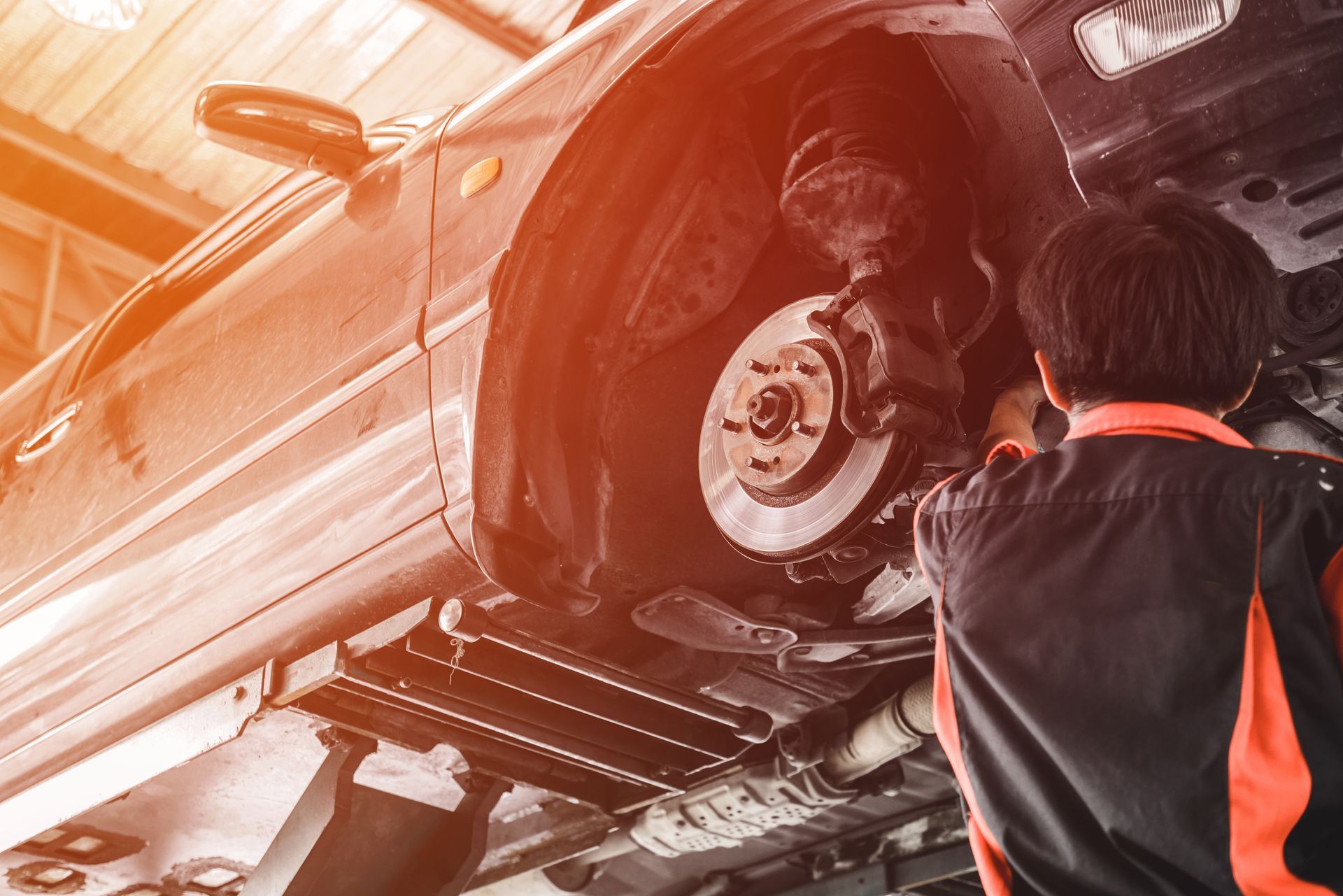
Brakes are made up of more than pads and rotors. The system includes calipers, brake fluid, hardware, hoses, and components that help the car stay stable while slowing. When one part begins to wear or stick, the warning may not sound the same from one vehicle to the next.
That is why one driver hears squealing, another hears grinding, and someone else notices the pedal feels different. The symptom depends on how far the wear has gone and which part of the system is changing first.
When Squealing Points To Wear Or Vibration
Squealing is one of the most common brake complaints, and it does not always mean the same thing. In many cases, it points to brake pads that are getting low enough for the wear indicator to start brushing the rotor. That is the brake system's built-in warning that pad life is running short.
Squealing can also come from vibration. Brake dust, glazed pad surfaces, worn hardware, or pads that are not seated properly can all create noise even before the pads are completely worn out. That is one reason a brake inspection is worth doing early, rather than waiting for the sound to get worse.
Why Grinding Means The Problem Has Moved Further
Grinding is a more serious sound. That usually means the brake pad material is worn down far enough that metal parts are contacting the rotor. Once that starts, the repair tends to grow quickly because the system is no longer just wearing through the pad material. It is also damaging the rotor surface.
This is where people lose money by waiting. A brake job that could have stayed focused on pads turns into pads and rotors, and sometimes more if the heat and metal contact keep building. If the brakes are grinding, the car should be checked as soon as possible.
Why The Brake Pedal Starts Feeling Different
Not every brake problem makes noise first. Some show up through the pedal. It may feel softer, lower, firmer, or less responsive than it used to. Even if the car still stops, that change is important because the brake pedal should feel predictable every time you use it.
A difference in pedal feel can point to pad wear, rotor wear, fluid condition, heat in the system, or hydraulic issues that need attention. Drivers adapt to these changes faster than they realize, which is why a brake system can slowly feel less stable without setting off immediate panic.
How The Car Itself Can Tell You Something Is Off
The way the whole vehicle reacts under braking can reveal just as much as sound or pedal feel. If the steering wheel shakes while slowing down, the front end dips harder than it used to, or the car pulls to one side, the brakes may no longer be applying force evenly. That can happen when rotors wear unevenly, calipers stop moving freely, or one side of the system begins dragging.
This is one reason brake complaints are not always limited to the brake parts alone. Suspension wear and tire condition can make the symptoms feel worse, but the braking system still needs to be checked first when the car starts reacting differently during a stop.
What Drivers Should Pay Attention To Right Away
A few signs deserve quicker attention than others. Grinding is high on that list. So is a brake warning light, a very soft pedal, a strong pull during stops, or a vibration that is getting worse. Even a repeated squeal should not be ignored once it becomes a pattern instead of an occasional sound.
Brakes are among the easiest systems to read if you pay attention. Noise, pedal feel, stopping distance, and steering response all give clues. Catching those clues early through regular maintenance usually keeps the repair smaller and keeps the car feeling safer and more controlled.
Why Early Service Saves More Than Money
A brake system that feels different is already changing in a way the driver can notice. That alone is enough reason to have it looked at. Waiting tends to add heat, spread wear, and increase the number of parts involved by the time the repair finally happens.
The best time to deal with brake trouble is while it still sounds or feels like a warning, not after the wear has moved into the next stage. Brakes rarely improve by being left alone.
Get Brake Service In Baltimore, MD, With VJ Auto Sales & Service
If your brakes have started squealing, grinding, or feeling different than they should, VJ Auto Sales & Service in Baltimore, MD, can inspect the system, identify the cause, and help you correct it before the problem gets worse.
Bring it in while the warning signs are still early and easier to deal with.